Table of Content
If alcohol is added straight to lye, it can overheat and in some cases cause a lye volcano, not the type of eruption we hope to ever see! To combat this issue, boil the wine and simmer for at least ten minutes. This burns off the alcohol in the wine, and makes it more suitable for soap making. Be sure to start with more wine than you need for your recipe.

Daily use of red wine soap to treat acne and clean your pores is effective at controlling oily skin. By preventing acne, you can improve the appearance of your skin. If you have acne-prone oily skin, there are innumerable red wine benefits for skin.
Recommended Products
If you let the top 2 inches of soil dry out, the eggs and larvae should also dry out and die. How To Make And UseMix the water, alcohol and dish soap together and add to a spray bottle. Simply rinse out an old spray bottle and resue. If you're making wild yeast wine, don't take steps to kill the yeast.As an alternative to using a tablet, you can pour 2 cups of boiling water over the fruit. Of course, the biggest thing that affects flavors in red wine is time. The longer a wine rests, the more chemical reactions happen within the liquid itself.
Then combine the added ingredients with the grated soap. Heat the soap and additives over medium-low to low heat, stirring often to avoid scorching. Weigh out the coconut water, aloe vera gel, beeswax and cocoa butter. Begin by measuring out the chilled wine of your choice in fluid ounces. I used a local white wine to formulate my soap.
What is Mulled Wine?
Once the soap melts, other ingredients can be added to customize the fragrance, color or other properties of the soap. My dad and son love when I take my cold process soap recipes and rebatch them. Rebatching soap is an easy way to add some extra love — what I like to call moisturizing skin care properties — to your handmade soaps. Once the soap and the added ingredients have melted, add the fragrance oil if desired or omitted from the previous cold process wine soap recipe. Need a creative way to use up leftover wine that’s sat too long or simply wasn’t to your liking? This post covers two ways to use wine to make homemade soap.
Wear your safety goggles, gloves and long-sleeved clothing. Ensure that there are no children or pets in your production area. The resulting soap I got from this recipe was very creamy and bubbly with a silky feel. The soap also had a cooling sensation but that may have been from the specific herbs in the Hard Wine blend. You may use any red wine you like such as a Merlot or Cabernet Sauvignon. Not to mention it’s the perfect conversation starter as a hostess gift with a clever twist on bringing a bottle of wine to dinner.
How to make soap out of red wine
Add a Campden tablet, which releases sulphur dioxide into the mixture, killing wild yeast and bacteria. It’s very important to do this step with as little exposure to oxygen as possible. A small amount of sulfur dioxide is often added to help preserve the wine. One of the final steps of how a red wine is made is the clarification process. For this, many winemakers add clarifying or “fining” agents to remove suspended proteins in the wine . Punch downs extract flavors more delicately and thus they tend to produce more subtle red wines.

No need to add any extra spices, as it will already have the flavor infused from the first simmer. Then, simply leave the mixture out and watch the gnats flock to it! The use of wine in soap adds market appeal and some believe the sugar content adds a luxurious lather. We took extra care in creating these lovely bars of soap made with Merlot. In this article, we will share tips and tricks for creating Wine Soap.
Yogurt, green tea & red wine face pack
As the wine simmers, some of the liquid will evaporate. Now pour the soap batter into your prepared mold. You may need to use a spoon or spatula for assistance with this as rebatch soap is thicker than cold process soap batter. In a lot of ways it is similar to the appearance and consistency of hot process soap. To make the lye-solution for this wine soap, you will use wine to dissolve the sodium hydroxide.
Set it over low heat to infuse the wine with flavor, and create a soothing warm drink for cold nights. Experiment with the different version of the DIY gnat traps to see which one works best for you, then place these gnat traps in the problem locations. In addition to the DIY gnat traps, make up a bottle or two of the homemade gnat spray killer to have handy for whenever gnats are swarming and causing a problem.
One way to do this is to pump wine over the top. The other way is to punch down the “cap” of floating grape skins with a tool that looks like a giant potato masher. What happens is small sugar-eating yeasts consume the grape sugars and make alcohol. The yeasts come either from a commercial packet , or occur spontaneously in the juice. If you’re using a wooden loaf mold to make soap, you need to line the mold before pouring. You can do this with parchment paper or a small office trash bag.
Silicone loaf soap molds do not need to be lined. Once all the ingredients have melted and are liquified, remove them from the heat source. To make an extra nourishing and hydrating soap bar, I used 8% superfat. You can reduce this amount to 5% if you prefer a more cleansing soap bar. I used my stick blender to bring it to trace, which happened in about half the normal time, and then replaced the lid on my crock pot to let it cook.
And it’s unbelievably easy to create, which makes it a great last-minute gift idea for wine lovers or a fun weekend craft shared with friends. Use a coffee grinder to break up any clumps of color and prevent white streaks from forming in the final soap. After pouring tan soap into the mold, pour wine-colored soap into the cream while counting to 1, 2, and 3. A way to ensure consistency is to count the pours. Allow the bars to cure for 4-6 weeks after they have been unmolded. Elana Lepkowski has been mixing drinks from her home bar for years, but began blogging her original cocktail recipes in 2011.
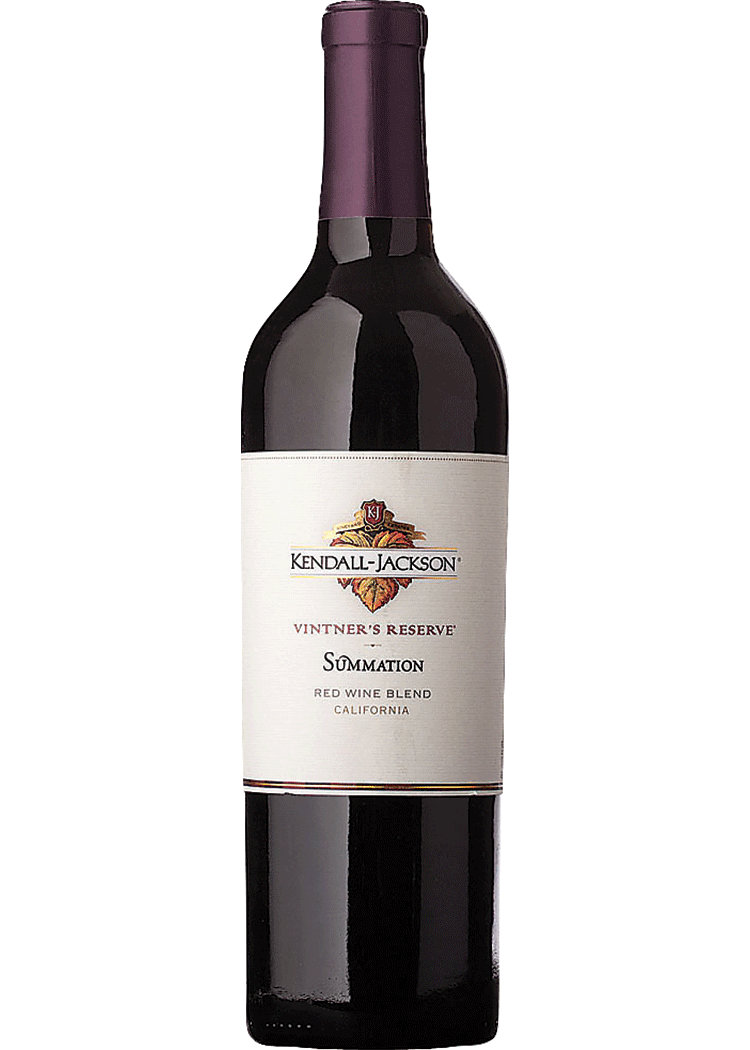
If there is a problem with the boiled wine, make a solution by adding distilled water to it. Fill a separate container with water and measure out the sodium hydroxide lye. If you want to rebatch the cold process wine soap you made, simply grate the soap with a cheese grater after unmolding the loaf.
Papaya, sandalwood and red wine face pack
When the lye solution and oils are the same temperature, slowly pour the lye-wine solution into the liquid oil. Use an immersion or stick blender to mix the two together. For my first time making wine soap, I used a 750 ml bottle of pinot noir that I received as a gift.
During this process, all of the lye solution is used to convert the fats into soap. Once the process is complete, there is no more lye left in the final bar. Water is the most common liquid used to make soap. Just like making a beer soap recipe, you can also use wine with alcohol for soap making. When you decide to make wine soap, there are many wines you can choose from and any of them will work. As a matter of fact, you can make soap with beer, wine, or any other alcoholic beverage!


No comments:
Post a Comment